
Artificial Intelligence in Retail: How Technology Is Changing the Retail Industry in 2026
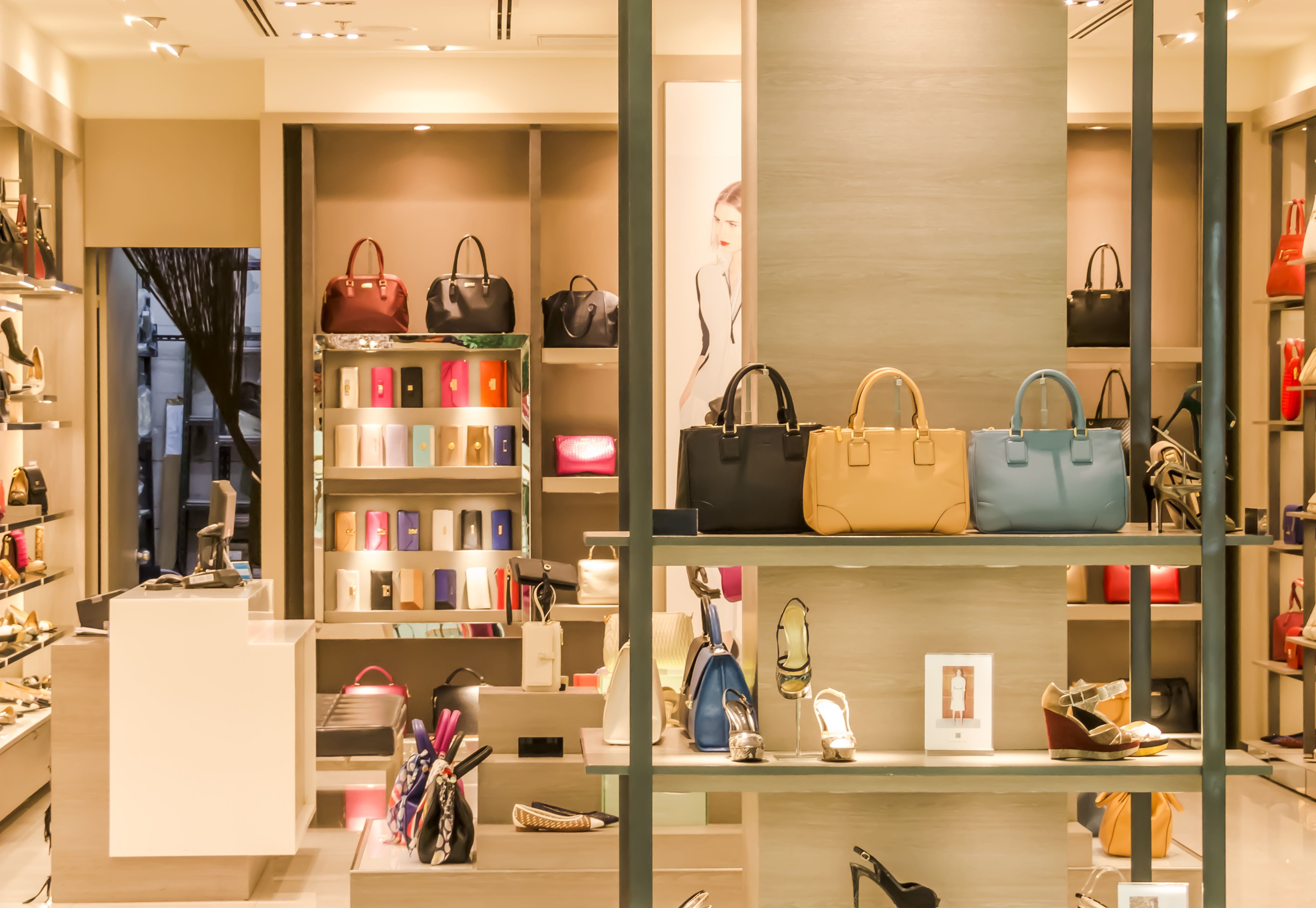
The retail industry is experiencing one of the most significant transformations in its history. Customers compare prices on their phones while shopping, receive personalized product recommendations online, and expect deliveries within days—or even hours. Behind these evolving expectations is a powerful force that continues to reshape the industry: technology.
For retailers, technology is no longer just about keeping up with trends. It’s about creating better customer experiences, making smarter business decisions, and staying competitive in an increasingly digital world.
At Monal Technologies, we work closely with businesses across industries to implement innovative technology solutions that solve real-world challenges. Through our expertise in AI, software development, cloud technologies, and digital transformation, we’ve witnessed firsthand how technology is reshaping modern retail.
This article discusses how technology impacts the retail industry with faster operations, better customer experiences, and new growth opportunities.
The Modern Customer Has Changed
Modern customers have become more connected, informed, and demanding than ever before.
Before making a purchase, many customers research products online, read reviews, compare prices, and check availability all within minutes. They expect a consistent experience whether they’re shopping from a mobile app, a website, or a physical store.
Retailers who can meet these expectations are building stronger customer relationships, while those that can’t risk being left behind.
Technology plays a critical role in helping businesses deliver the convenience and consistency modern shoppers expect.
How Technology Impact Retail Industry
While AI receives much of the attention, several other technologies are equally important in modern retail.
Cloud Computing
Cloud-based platforms help retailers:
-
- Manage multiple store locations
-
- Access real-time business data
-
- Improve collaboration
-
- Scale operations efficiently
Cloud technology provides the flexibility required to support modern omnichannel retail environments.
Internet of Things (IoT)
IoT devices enable retailers to monitor and manage physical assets in real time.
Examples include:
-
- Smart shelves
-
- RFID inventory tracking
-
- Connected warehouses
-
- Temperature monitoring systems
These technologies improve operational visibility and reduce manual effort.
Data Analytics
Data has become one of the most valuable business assets in retail.
Advanced analytics help businesses understand:
-
- Customer behavior
-
- Product performance
-
- Sales trends
-
- Marketing effectiveness
Retailers that effectively leverage data are better positioned to make informed decisions and respond quickly to market changes.
Personalization Is Becoming the New Standard
Think about the last time an online store recommended a product that genuinely interested you. Chances are it wasn’t a coincidence.
Artificial Intelligence (AI) and data analytics help retailers understand customer preferences and shopping behavior. By analyzing previous purchases, browsing history, and interactions, businesses can offer personalized recommendations that feel relevant rather than random.
This level of personalization benefits everyone. Customers discover products they actually want, while retailers increase engagement and sales.
In a world where customers are constantly bombarded with choices, relevance matters.
Shopping Has Become Omnichannel
The line between online and offline shopping is rapidly disappearing.
A customer might discover a product on social media, browse it on a website, and purchase it later in a physical store. Others may buy online and pick up their order in-store.
This interconnected experience, often called omnichannel retailing, has become an expectation rather than a luxury.
Technology helps retailers synchronize inventory, customer data, and communication across all channels, ensuring customers enjoy a smooth experience wherever they choose to shop.
Smarter Inventory Management Means Better Business
Few things frustrate customers more than finding out a product is out of stock after they’ve decided to buy it.
Behind every successful retail operation is an efficient inventory management system. Modern technologies such as IoT sensors, RFID tracking, and cloud-based inventory platforms provide real-time visibility into stock levels across multiple locations.
Instead of relying on guesswork, retailers can monitor inventory accurately, forecast demand, and replenish products before shortages occur.
The result? Fewer lost sales, reduced waste, and happier customers.
Data Is Helping Retailers Make Better Decisions
Retail businesses generate enormous amounts of data every day. The challenge is knowing how to use it effectively.
Advanced analytics tools help retailers identify trends, understand customer preferences, evaluate product performance, and optimize pricing strategies.
Rather than making decisions based on assumptions, businesses can rely on real insights.
For example, data can reveal:
-
- Product that sells fast on particular seasons
-
- Best times customers choose to purchase
-
- Which marketing campaigns deliver the best results
-
- How customer preferences are changing over time
These insights help retailers respond more effectively to changing customer preferences and market trends.
Automation Is Improving Efficiency
Technology isn’t only enhancing the customer experience—it is also transforming what happens behind the scenes.
Automation is helping retailers streamline operations in ways that were once unimaginable.
From self-checkout systems and automated billing to intelligent warehouse management and robotic order fulfillment, businesses are finding new ways to improve speed and accuracy.
Automation reduces repetitive tasks, minimizes errors, and allows employees to focus on activities that create greater value for customers.
In an industry where efficiency directly impacts profitability, automation is becoming a key driver of success.
Digital Payments Are Making Transactions Easier
The way customers pay has evolved dramatically over the past few years.
Mobile wallets, UPI payments, contactless cards, QR-code transactions, and digital banking solutions have become part of everyday shopping.
Customers now expect payment processes to be quick, secure, and hassle-free.
For retailers, digital payment technologies not only improve convenience but also reduce operational complexities and enhance transaction security.
The checkout experience, once a potential bottleneck, has become faster and more efficient than ever.
Artificial Intelligence Is Reshaping Retail
AI technology has significantly influenced the retail industry, transforming the way businesses operate and interact with customers.
Beyond personalized recommendations, AI is helping businesses:
-
- Predict future demand
-
- Optimize pricing strategies
-
- Improve customer support through chatbots
-
- Detect fraud and security threats
-
- Analyze consumer behavior patterns
Retailers can use these insights to anticipate demand, optimize operations, and deliver more relevant customer experiences.
As AI continues to evolve, its impact on retail will only become more significant.
Looking Ahead: The Future of Retail
Technology will continue to redefine how people shop.
Emerging innovations such as Augmented Reality (AR), smart stores, voice commerce, and AI-powered customer experiences are already changing expectations.
Imagine customers virtually trying products before purchasing, receiving real-time recommendations while shopping in-store, or interacting with intelligent systems that understand their preferences instantly.
What once seemed futuristic is quickly becoming reality.
Businesses that adopt these innovations early will be better equipped to meet evolving customer expectations and maintain a competitive advantage.
How Monal Technologies Supports Retail Transformation
At Monal Technologies, we believe technology should solve real business challenges, not create new ones.
Our team helps retailers leverage modern technologies including AI, cloud computing, data analytics, custom software development, and digital transformation solutions to improve efficiency, enhance customer experiences, and drive growth.
Whether you’re modernizing an existing retail operation or building a new digital-first strategy, we provide solutions designed to help your business stay ahead in a rapidly evolving marketplace.
Final Thoughts
Retail success today depends on more than product offerings and pricing. The ability to leverage technologies such as artificial intelligence, cloud computing, automation, and data analytics has become a key differentiator in a highly competitive marketplace.
Businesses that invest in digital transformation are better positioned to adapt to changing consumer behaviors, improve operational performance, and unlock new opportunities for growth.